Transforming Healthcare, Improving Lives
Acute Care Equipment
Critical care equipment for emergency and intensive care units, providing life-saving support for the most vulnerable patients.
Acute and Critical Care Equipment for ICU and HDU Units
RHCS equips intensive care, high-dependency and emergency units across Kenya and East Africa. Our acute and critical care range covers ICU ventilators and transport ventilators, non-invasive ventilation and high-flow oxygen therapy systems, oxygen concentrators and cylinder manifolds, multiparameter patient monitors with central monitoring stations, defibrillators and AEDs, syringe and volumetric infusion pumps, suction units, ICU beds, crash carts, resuscitation trolleys, warming devices and the sensors, circuits and consumables each of them consumes.
We supply critical care equipment from Mindray, GE Healthcare, Philips, Medtronic, B.Braun and Advin Healthcare. Because critical care fleets live or die on consumables, we confirm long-term availability and pricing of circuits, cuffs, probes and cables before recommending a platform, and we hold fast-moving items so a unit is never idle waiting on an import.
Installation includes a survey of medical gas outlets, power redundancy, UPS provision and network points for central monitoring, followed by installation, commissioning and full electrical safety and performance testing. Our biomedical engineers configure alarm limits and monitoring profiles with your clinical leads, and we train intensivists, nurses, anaesthetists and clinical officers on operation, weaning modes, alarm management, infection-control cleaning and first-line troubleshooting. Refresher training is available whenever a unit takes on new staff.
Support after handover is where critical care equipment earns its keep: we offer preventive maintenance contracts with scheduled calibration and ventilator performance verification, genuine spare parts, loan units during major repairs and priority emergency callout, so a ventilator failure does not become a bed closure.
Manufacturers we supply
Installation, training and service
- Delivery to any county in Kenya and across East Africa
- Site survey, installation and commissioning by our biomedical engineers
- Clinical and operator training for your staff at handover
- Preventive maintenance contracts, calibration and repair
- Genuine spare parts, consumables and warranty support
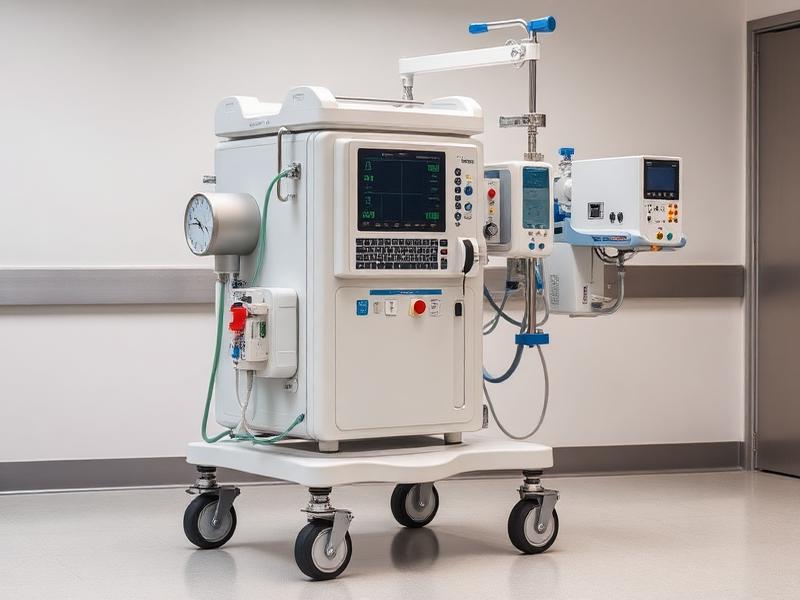
Ventilators & Respiratory Support
Advanced mechanical ventilation systems providing life-sustaining respiratory support for critically ill patients.
Key Features:
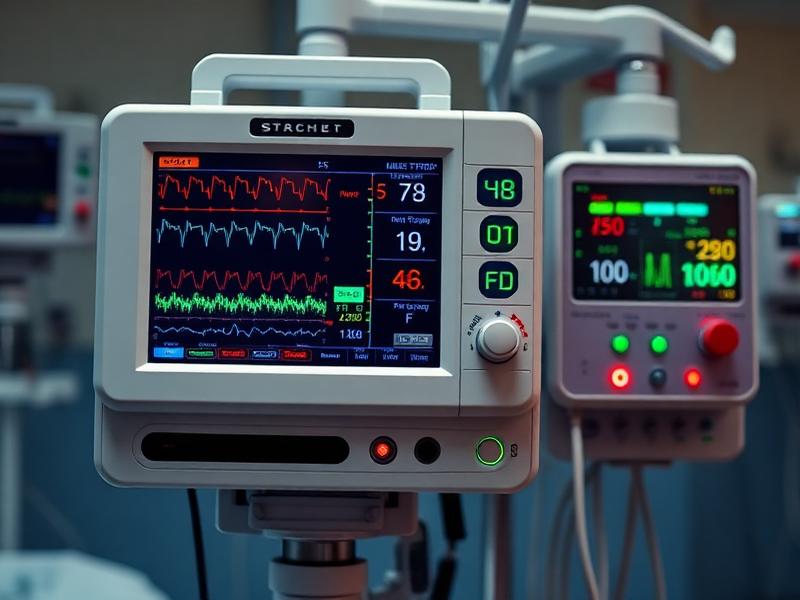
ICU Monitors & Telemetry
Comprehensive patient monitoring systems for continuous vital signs tracking and telemetry in intensive care units.
Key Features:
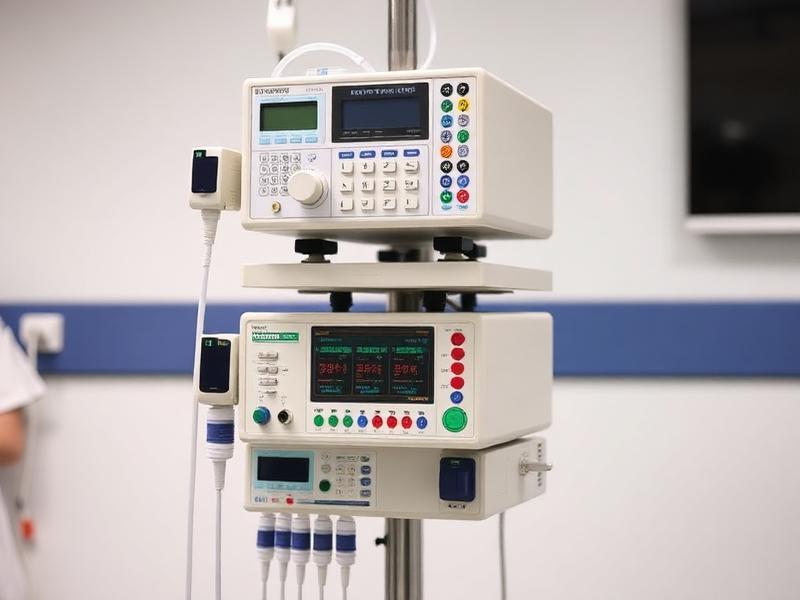
Infusion Pumps & Controllers
Precision medication delivery systems ensuring accurate and safe administration of IV fluids and medications.
Key Features:
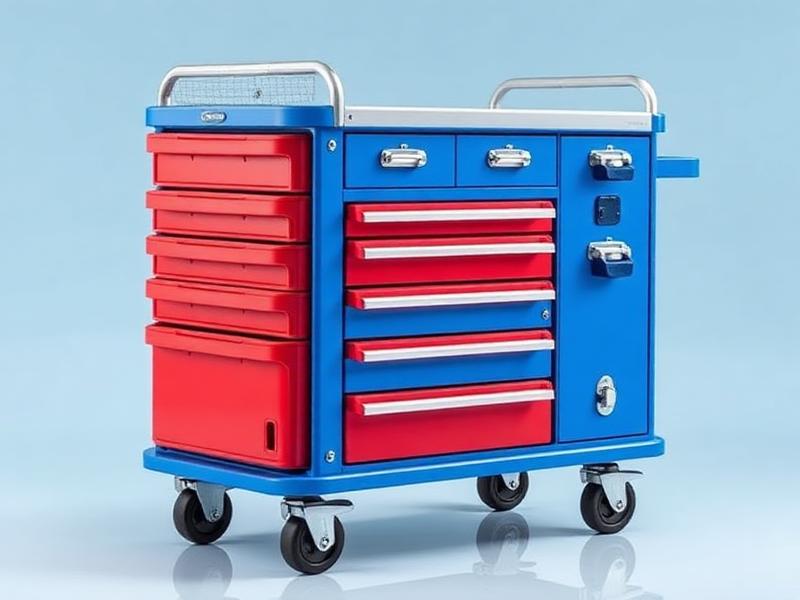
Emergency Crash Carts
Mobile emergency response units equipped with defibrillators and essential life-saving medical supplies.
Key Features:
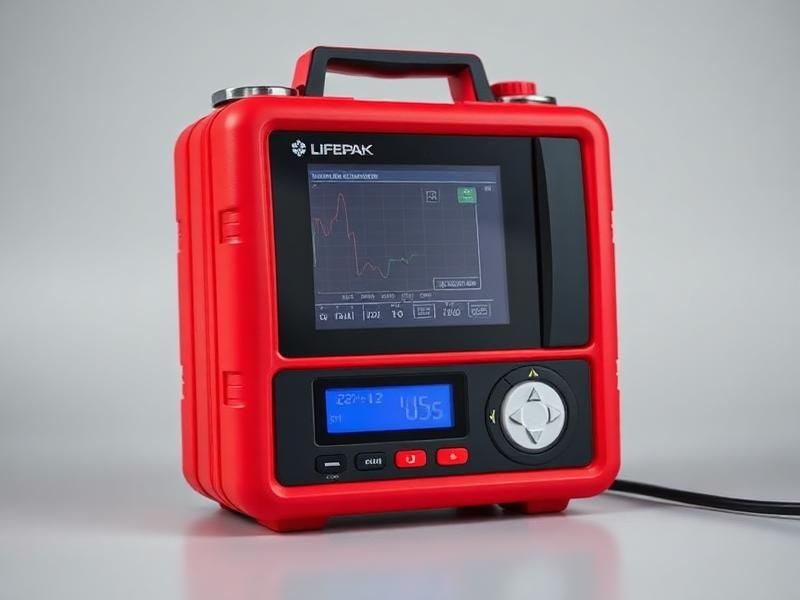
Transport Ventilator
Portable mechanical ventilation for patient transport and emergency response with battery backup systems.
Key Features:
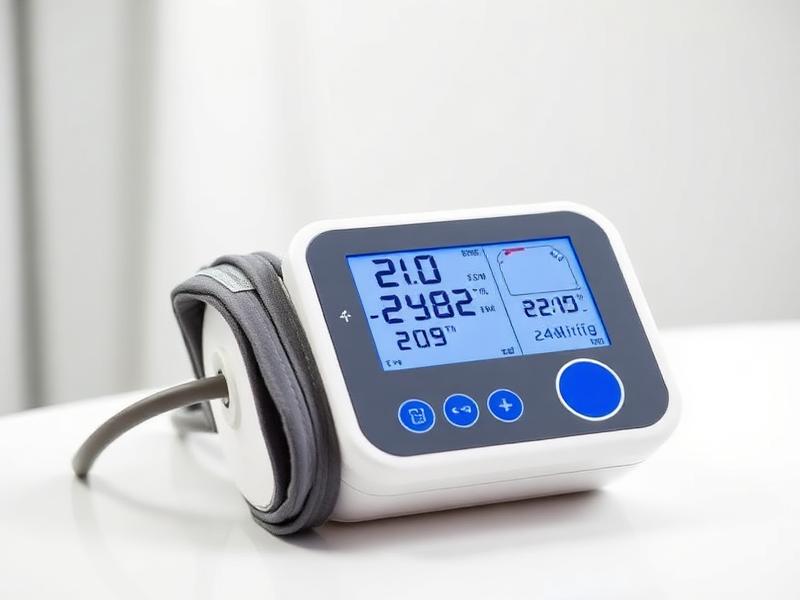
Blood Pressure Monitor
Automated non-invasive blood pressure monitoring systems for continuous cardiovascular assessment.